COURSE STRUCTURE
There are 12 lessons in this module as follows:
1. Introduction to Nature Parks
- Role of nature parks
- National parks
- Zoos and wildlife parks
- Reserves
- Role of community groups in nature parks
- Using indigenous plants
- Benefits of indigenous remnant vegetation
- Naturalised plants
- Plant identification: plant reviews
2. Basic Ecology
- Ecology and its application
- Constituents of an ecosystem: biotic and abiotic
- Ecosystem function
- Heterotrophic vs, autotrophic
- Ecological concepts
- Ecology relationships
- Climatic zones
- Climate: soil: vegetation interrelationships
- Plant association
- Living things
- Classification of animals
- Plant classification
- Using keys
- Botanical families for different genera: a framework for identifying plants
3. Soil Management in Nature Parks
- Soil Management Overview
- Earthworks in nature parks
- Soil degradation
- Erosion
- Causes, types and control of erosion
- Salinity
- Sources of salinity
- Control methods for soil salinity
- Soil acidification, and causes
- Compaction of soil
- Chemical residues
- Soil and plant growth
- Naming the soil
- Improving soils
- Sampling soils
- Nutrient availability and pH
- Fertilizers and nutrient components
- Terminology
4. Plant Maintenance
- Plant maintenance in nature parks
- Plant selection
- Economics of planting
- Ongoing costs
- Longevity
- Aesthetic criteria for plant selection
- Natural gardening techniques
- Using hardy, pest free plants
- Planting for a succession
- Equipment: a more sustainable and natural approach
- Avoiding problem materials
- Disposing of waste
- Composting
- Planting procedure
- Staking plants
- When to plant
- Machinery for park maintenance: overview
5. Design of Nature Parks I
- Nature park design
- Landscaping procedure
- Pre planning information
- Landscape plans
- Design procedure
6. Design of Nature Parks II
- Designing animal enclosures
- Cages and pens
- Open range enclosures
- Designing and siting animal enclosures
- Specifications and contracts
7. Weed Management in Nature Parks
- Characteristics of weeds
- Weed control options
- Chemical control
- Biological control
- Non chemical control
- Plants which take over
- Environmental weeds
8. Pest and Disease Management
- Pest and disease control: chemical and non chemical
- Using chemicals safely
- Understanding plant pathology
- How to inspect plants for suspected problems
- Insect biology and classification
- Laws related to chemical use
- Types of poisons
- Understanding toxicity
- Review of main types of plant pests
- Review of common fungal problems affecting plants
9. Culture of Indigenous Plants
- Growing indigenous plants in nature park
- Plant establishment: direct planting, direct seeding, natural regeneration
- Planting design
- Planting techniques: pocket planting, slope serration, wattling, planting arid sites, direct seeding, spray seeding
10. Tree Management in Nature Parks
- The role of trees
- Tree maintenance plan
- Arboriculture (overview)
- Safety for tree surgery
- Tree surgery techniques
11. Turf Care in Nature Parks
- Introduction
- Choosing turf grasses
- Feature lawns
- Picnic areas
- Areas for sport, gardens, parks
- Establishing a new lawn
- Review of turf varieties
- Turf maintenance procedures
- Topdressing
12. Rehabilitation Problems and SolutionsLand rehabilitation in nature parks
- Site plan information needed
- Site management plan
- Soil problems on degraded sites
- Dry areas, overcoming dry soils, managing sandy soils
- What causes wet areas
- Overcoming problems with wet areas
- Factors affecting rehabilitation: debris, mass plantings, water, topsoil, exotic organisms
Each lesson culminates in an assignment which is submitted to the school, marked by the school's tutors and returned to you with any relevant suggestions, comments, and if necessary, extra reading.
AIMS
- Explain the importance of the interrelationships between various components of a natural environment within an ecosystem.
- Develop management strategies for soils within a natural ecosystem.
- Develop management strategies for plant maintenance practices, in nature parks.
- Design a nature park, or a section within a nature park.
- Develop management strategies for the control of weed problems in a nature park.
- Develop management strategies for the rehabilitation of degraded sites in a nature park.
WHAT THE COURSE COVERS
Here are just some of the things you will be doing:
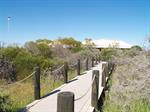 Differentiate between different categories or types of nature parks.
- Determine thirty living components of a specific ecosystem, studied by you.
- Determine ten non-living components of a specific ecosystem, studied by you.
- Prepare a labelled diagram to illustrate the interrelationships between at least fifteen different components of an ecosystem.
- Explain the possible impact of removing two different specified organisms from a specified ecosystem.
- Explain the potential impact of adding two specified, non indigenous organisms, to a specified ecosystem.
- Explain how different soil characteristics can impact upon an ecosystem.
- Describe the physical characteristics of at least three different soils, which are of significant to the stability of their ecosystems.
- Assess aspects of soil dynamics on a site, including: -Topography -Soil life -Susceptibility to degradation -Sunlight (canopy penetration).
- Compare the likely implications of using three different types of fertilisers, including: -Benefit to plants -Method of use -Environmental impact.
- Explain the use of different soil conditioners including: -pH modifiers -Ameliorants -Organic matter.
- Determine the plant maintenance requirements of a specific nature park visited and assessed by you.
- Develop guidelines for the care of new plantations in a nature park visited by you.
- Compare the suitability of three different types of grass cutting equipment, for mowing a specific park.
- Compare the likely environmental impact of three different types of pesticides or herbicides, if used on a specific site.
- Determine the significance to plant populations, of containment of different outputs, on a specified site, including: -water runoff -chemical spray drift -effluent -pollutants.
- Prepare a plant collection of sixty plants.
- Determine categories of landscape developments which are carried out in different types of nature parks, including: -Wildlife Reserves -Zoos -Sanctuaries -National Parks -Forest Reserves -Vegetation corridors.
- Evaluate the designs of two different sections, of different nature parks, against given criteria.
- Collect pre-planning information for the development of a site, within a nature park.
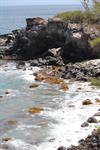 Prepare two concept plans for a nature park development, including: -existing features -clear labelling -legend -scale -north indicator.
- Compare features of two nature park concept plans.
- Plan the construction of a landscape development within a nature park, including: -materials lists (types and quantities of materials); -plan of proposed landscape development; -list of manpower and equipment requirements; -a work schedule.
- Estimate the cost of construction in accordance with a specified landscape plan.
- Estimate the cost of maintaining a specified section of a park, for a three month period.
- Explain the impact of weeds on two natural environments in the learners locality, using examples.
- Prepare a weed collection, of twenty different weeds.
- Describe two different weed problems, in two different nature parks.
- Explain five different weed seed dispersal mechanisms, for weed species collected.
- Compare alternative control methods for a specified weed problem.
- Select appropriate control methods for ten different specified weed problems.
- Develop guidelines for weed control, in a nature park inspected by you.
- Develop a management plan to reinstate indigenous flora on a specific site.
- Explain the causes of three specified types of site degradation.
- Describe five different techniques for controlling site degradation.
- Describe five different techniques for repairing site degradation.
- Describe degraded sites at two different natural areas, inspected by you.
- Prepare construction details for work to be undertaken in the rehabilitation of a degraded site inspected by you.
Learn to Manage Nature Parks
- Rural and wilderness landscapes.
- Countryside parks, zoos.
- Neglected sites in need of rehabilitation.
Explore ways of working in harmony with nature to maintain a healthy natural environment where it's use by visitors is balanced to achieve a sustainable place that can be enjoyed by generations to come.
Gain ...
- Knowledge in horticultural practices - learn about plant identification, soil management, pest and disease management, weed control.
- Learn about designing nature/wilderness parks.
- Learn about rehabilitation approaches to degraded sites.
Apply ...
Your knowledge in work or careers in nature parks, country parks, urban parks, nature reserves, botanical gardens, land management and more.
Why Study with ACS?
Design your own learning pathway.
Study at your own pace, from anywhere, at any time.
Receive prompt, expert support from our team of committed and friendly tutors.
Your learning is our priority. We are flexible and adaptable to meet your educational needs!
Enrolling is easy - just go to the top of this page and select your study method and payment option.
If you have any questions about studying with ACS, or want to know more about any of our courses, get in touch with our specialist tutors today. They will be happy to answer your questions and look at different study options to fit in with your goals.