Course Structure
There are 10 lessons in the Building Renovation course, as follows:
1. Introduction to Building Renovation Projects
- What & why are you renovating?
- How Do You Judge what is Worth Doing?
- Where to Begin?
- What Rooms to Renovate
- Manage Risks and Avoid Surprises
- Gathering the Facts
- What are the costs?
- Dealing with Subcontractors and Tradesmen
- Selecting Tradesmen
- Safety on a site
2. Core Structural and Site Works
- Moisture problems
- Fire damage
- Foundations
- Load-bearing beams
- Repairing damaged walls or roofs
3. Replacing/Repairing Roofs and Floors
- Roof Coverings
- Roof Repair Jobs
- Replacing Slates
- Replacing Tiles
- Repairing Flashings
- Temporary Roofs
- Cleaning and Painting
- Floors
- Floor repair jobs
- How to Replace a Suspended Timber Floor
- Cleaning & Staining
- Coverings
4, Doors, Windows and Walls
- Wall Maintenance
- Repair Jobs
- Windows
- Choosing Materials
- Types of Window
- How to Repair Broken Window Glass
- Doors
- Considerations
- Types of Doors
- How to Hang a Door
- Adjusting Existing Doors
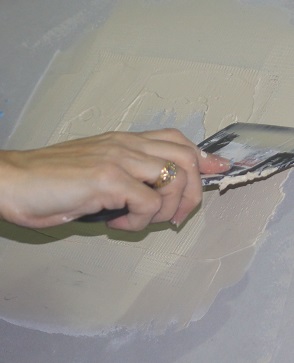
- Plastering
- Tools
5. Plastering
- Plasterboards
- Cutting Plasterboard
- Fixing Plasterboards to Walls
- Jointing Plasterboard
- How to Repair Holes in Plasterboard
- How to Repair Cracks
- Fixing Plasterboard to Ceilings
- How to Plaster Over Plasterboards
- Finishing Outside Corners
- Tiles
- Tiling Tools
- Floors
- How to Tile a Wall
6. Carpentry Reno
- Carpentry tools
- Power tools
- Choosing wood
- Buying wood
- Working with wood
- Cutting & joining
- Fixing joints
- Finishing
- Applying Woodwork Skills
7. Painting
- Painting tools
- Paint Work
- Before Painting
- Sanding
- Preparing to Paint
- What to Paint a Surface With
- Getting ready to paint
- Using Brushes
- Cleaning & Storage of Brushes
- Using Rollers
- Cleaning & Storage of Rollers
- Sprayers (spray painting)
8. Plumbing Basics
- Roof Plumbing and Guttering
- Water supply
- Plumbing tools
- Plumbing fittings
- Earth bonding
- Sanitary appliances
9. Electrical Basics
- What is electricity?
- Basic home electrics
- Tools
- Other Tools
- Basic Wiring Jobs
- Solar Power
- Energy Ratings
10. Renovating a Room
- Planning a Room Renovation
- A Schedule of Works
- Planning Time
- Drawing up a Budget
- Project Management
- Choosing Materials and Appliances
- Special Project
Course Aims
- Determine the nature and scope of work required for a building renovation project.
- Explain how to prioritise and address the most important structural deficiencies in the early stages of any building renovation.
- Explain how roofs and floors can be repaired or renovated in an old building.
- Explain how doors and windows can be repaired or replaced in a building or room renovation.
- Explain how plastering and tiling work is undertaken.
- Explain tools, techniques and applications for carpentry work in building repairs and renovations.
- Explain selection and use of paints in interior and exterior decoration of buildings.
- Explain plumbing work for renovation jobs.
- Explain electrical work for building renovations.
- Plan and either manage or undertake the renovation of a room.
Why renovate a building?
- To maintain functionality and value while you occupy the building.
- To improve it's value and capacity to sell before placing it on the market.
- To change it into something better.
FREQUENTLY ASKED QUESTIONS (FAQs)
What are the benefits of studying Building Renovation?
Builds confidence to plan and carry out common renovation steps safely.
Improves your decision-making (what to fix first, when to stop and call a pro, basic risk awareness).
Helps you plan your workflow from initial assessment to finishing projects.
Reduces costly mistakes through understanding typical causes of failure e.g., poor preparation, wrong materials.
Improves safety habits e.g., dust, hazardous materials, ladders/tools/machinery, manual handling.
Improves project organisation e.g., reading simple instructions/specs, basic budgeting, sequencing tasks.
Develops your troubleshooting skills for common home renovation problems.
You’ll discover what you’re good at now and what further training you need.
What is the course duration and format?
There are 10 lessons.
The course can be completed in approximately 10 weeks.
Each lesson includes experiential tasks, a self-assessment test, and a written assignment.
There are also some practical projects built into the course where you get to test your renovation skills.
Assignments and projects are marked by our expert tutors and returned with written feedback.
There is an optional exam upon completion of the course.
The course is self-paced. Study wherever you want, whenever you want.
How long can I access course materials?
You have all the time you want. We don't have a cut-off date. You can continue to access your course indefinitely. This is one of the ways we are different.
You can review and revisit course material as often as you like, helping to reinforce learning and improve retention.
Can I use this course as a credit toward a qualification?
Yes. This can be used as a module in a variety of certificates and diplomas with ACS or in a degree with one of our affiliate partners, Warnborough College.
Various other universities and colleges around the world have also assessed and given credits for our courses in degrees.
Who is this course for?
DIY homeowners and renters
People wishing to do “learn-first” renovations before committing money
Career changers
People with limited formal training who want structured guidance
Maintenance managers and small property owners
Volunteers and trainees who wish to assist on renovation projects
Builders and construction managers
Residential or commercial property developers
Facilities managers
Entrepreneurs and small business owners
Enrolling is easy
Just select your payment option and study method - choose the online option for a 5% discount on the course cost.
Any Questions?
Our tutors are more than happy to help and advise you with any questions regarding the course. Please contact us if you have any questions at all.
You can phone us now on (UK) 01384 442752, or (outside UK) +44 (0) 1384 442752.
If you want to learn about renovating a building or part of a building then this course is an ideal place to start. Study in your own home and learn more about evaluating, planning, and working on building renovation. Why delay? Get started today.
Contact using our FREE COURSE COUNSELLING SERVICE - connect with our specialist tutors.