COURSE CONTENT
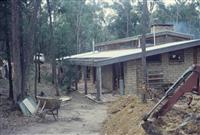
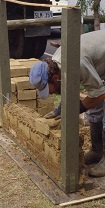
Mud Brick Construction aims to develop an understanding of how to approach building with mud bricks. Mud brick building is also known by the alternative name 'adobe'. There are other ways of building with mud brick apart from 'adobe'. These will be covered briefly in this course. For the novice, there is not a lot which can go wrong if you choose to build with mud brick.
The content of each of the 10 lessons is outlined below:-
1. Scope of Mud Brick
-
What is Mud Construction (Adobe, Pise).
-
Advantages of Earth Construction (Cost savings, Self satisfaction, Aesthetics, Eco friendliness, Health benefits).
-
History of earth construction.
-
Pise (Rammed Earth).
-
Mud Brick.
-
Wattle and Daub.
-
Cob.
-
Cinva Ram.
-
Cement Stabilisation.
-
Bituminous stabilisation.
-
Mortar.
-
Variations in Earth Building Techniques.
-
Appropriate Soils for Earth Construction.
-
Finding Resources.
2. How to make a mud brick
- Testing and working with different soils.
- Soil Tests.
- Steps in making a brick.
- Plasticity Soil Test.
- Cake Soil Test.
- Compression Tests.
- Brick Size.
- Brick Weights.
- Moulds.
- Binding Materials.
- Mixing Mud.
- Treating Bricks after they are Cast.
- Stacking Bricks.
- Troubleshooting.
3. Planning and Site Works
 Choosing Building Materials.
- Timber (Characteristics –Selection).
- Adhesives.
- Plastics.
- Masonry, Bricks and Concrete.
- Insulation Materials.
- Selecting a Building Site.
- Solar House Design.
- General Principles of Building Design.
- Impact of Buildings on Health.
- Dangerous Building Materials (Awareness and factors).
4. Legal Considerations
- Building Regulations (Variations between jurisdictions).
- What might be regulated.
- Types of Permits.
- Building Codes.
5. Foundations
- Strip Foundations.
- Slab Foundations.
- Specialist Engineering Advice.
- Rock and Rubble Foundations.
- Problems to Avoid.
- Sealing Foundations.
- Other Options (Masonry pillars, timber pylons).
- Earth Floors.
6. Laying Bricks
- Damp Proof Course.
- Methods for laying bricks.
- Making mud mortar.
- Laying mortar.
- Bonding.
- Reinforcing Walls.
7. Doors, Windows and Roofs
- Roofing Options.
- Roof Pitch.
- Roof Weight.
- Roof Gardens.
- Doors and Windows.
- Lintels.
- Fixing, Joinery and Plugs.
- Ceilings.
- Timber Finishes.
- Slab Floors.
- Supported Floors.
- Floor Surfaces.
8. Finishes
- Wall Finishes.
- Whitewash.
- Bondcrete.
- Dagga.
- Lineed Oil.
- House Paints.
- Natural Loam Render.
- Cement Render (Plaster).
- Latex Paint Render.
- Other Options.
- Floor Finishes.
- Applying Paints and Renders.
- Natural Healthy Paints.
- Making Lime Wash Paints.
- Problems with Lime Wash.
- Aly’s Clay Paint.
- Tallow and Lime Based Coating.
- Using Commercial Paints.
- Timber Treatments.
9. Services
- Electricity.
- Water.
- Gas.
- Toilet.
- Working with Earth Walls.
- Plumbing.
- Electricity Supply Systems (Turbines, generators, batteries, Solar Cells, etc)
- Safety with Electricity.
- Electro Magnetic Radiation (Managing EMR).
- Terminology.
10. Other types of Earth Building
- Making Rammed Earth Walls.
- How to Build Forms.
- Tampers (Hand and air).
- Rammed Earth Construction.
- Wattle and Daub.
- Sod Buildings.
- Cob.
AIMS
- Discuss the nature and scope of Mud Brick construction.
- Identify the legal considerations which need to be met when building in mud.
- Determine the requirement for foundations for a mud construction.
- Determine options for building doors, windows and roofs into a mud building.
- Analyze options for coating or finishing the surface of a mud wall or other mud construction.
- Compare options for providing water, electricity or any other required services in a mud building.
- Describe a variety of mud construction techniques other than mud brick.
EXAMPLES OF WHAT YOU MAY DO IN THIS COURSE
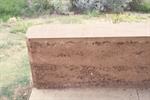 Get together a sample of earth which you might like to use to make mud bricks. This earth might be on a property where you wish to build a mud brick house, or it might be from a friend's property. Collect earth from at least a few inches below the soil.
 - Find different types of soil. Give your assessment on the suitability of each for making mud bricks. Send a sample of each soil type along with your assessment of it's suitability for making mud bricks.
- Using different types of soil make test mud bricks. One mud brick should be made with each type of soil plus straw. Make another brick out of each type of soil without straw.
- Visit or contact your local council's building department. Find out from them where you can obtain a copy of `Standard Specifications' from.
- Explain step by step how you would go about putting down a concrete strip foundation for a small single storey mud brick workshop.
We have been teaching mud brick construction since 1985.
Our principal built our first office in mud brick even before that!
Build your own home, shed, office or other building.
Learn from our team of experts who have been there and done it.
FREQUENTLY ASKED QUESTIONS (FAQs)
What are the benefits of studying Healthy Buildings II?
Re-connect with natural materials and appreciate how locally sourced materials can be used responsibly.
Feel more able to assess whether mud brick is a practical option for a project and environment.
Learn to think sustainably about building impact, reuse of materials, and reducing waste.
Enjoy learning a method that often suits collaborative building and skills-sharing.
Gain satisfaction from working with traditional, hands-on construction techniques.
Develop a valuable, an in-demand niche skill set in sustainable construction and alternative building methods.
Build practical experience and project examples you can show to prospective employers or clients.
Competence in traditional building methods can strengthen employability in restoration and low-impact building work.
What is the course duration and format?
There are 10 lessons.
The course can be completed in approximately 10 weeks.
Each lesson includes experiential tasks, a self-assessment test, and a written assignment.
Assignments and projects are marked by our expert tutors and returned with written feedback.
There is an optional exam upon completion of the course.
The course is self-paced. Study wherever you want, whenever you want.
How long can I access course materials?
You have all the time you want. We don't have a cut-off date. You can continue to access your course indefinitely. This is one of the ways we are different.
You can review and revisit course material as often as you like, helping to reinforce learning and improve retention.
Can I use this course as a credit toward a qualification?
Yes. This can be used as a module in a variety of certificates and diplomas with ACS or in a degree with one of our affiliate partners, Warnborough College.
Various other universities and colleges around the world have also assessed and given credits for our courses in degrees.
Who is this course for?
Sustainability/eco-building enthusiasts
Career changers exploring construction, earth-building, or community build projects
Builders/contractors/trainees who want to add a specialised niche to their employability
Community groups and volunteers involved in affordable housing, training, or heritage projects
People restoring/maintaining traditional or earth-based structures who need method knowledge
Property managers and building owners
Homeowners
Self-builders and DIY learners
WHAT NEXT?
Register to Study - Go to “It’s Easy to Enrol” box at the top of the page and you can enrol now.
or
Get Advice – Email us at info@acsedu.co.uk OR
Use our FREE COUNSELLING SERVICE to contact a tutor
CLICK TO CONTACT US