Study Organic Plant Culture by Distance Learning.
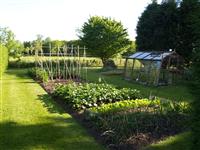 Learn to grow plants naturally by working with the natural environment, and avoiding the use of synthetic chemicals.
- Understand soils and plant nutrition.
- Learn how to manage soils.
- Identify ways to deal with pests and diseases using ecologically sound practices.
"This is a very intensive course that develops your ability to grow and market a range of crops. Grow your own organic crops or advise others. Many opportunities exist in this field as public interest is rapidly increasing. Organic growing is the path to the future." -- Adriana Fraser Cert. Hort., Cert. Child Care., Adv. Cert. App. Mgt., Cert 1V Assessment and Training., Adv. Dip. Hort., ACS Tutor.
Course structure and content
This course has 10 lessons:
1. Introduction to Organic Growing
Scope and Nature of Organic Growing
Definitions
Influential People in the Organic movement: Lady Balfour, Sir Albert Howard, Jerome Irving Rodale Different Ways to Garden Organically. Biodynamics, Permaculture
Resources
2. Plant Culture
Different Cultivation Methods
Crop Rotation
Green Manure
No Dig Culture
Not Till
Planting into Grass
3. Understanding Soils
Physical and Chemical Soil Properties
Soil Profiles
Identifying Soil Type
Soil Structure
pH
Cation Exchange Capacity
Buffering Capacity
Soil water and air, temperature, humus, etc
Organic Matter
4. Fertilizers and Plant Nutrition
Organic Fertilisers; scope, nature, comparing different types of fertilizer and manure
Animal Manures
Seaweed and seaweed extracts
Liquid Feeds in Organics
Rock Dusts
5. Organic Horticultural Management
Importance of Soil
Cultivation Techniques and their affects on soil
Cover Crops
Using Cover Crops
Green Manures as Cover Crops
Nitrogen Fixation
The Rhizobium Bacteria
Mycorrhizae
Composting
Compost Bins
What can be Composted
Carbon Nitrogen Ratio
Compost heap conditions; cold and hot heaps
How to build a compost heap
Using Compost
Water in the Soil; infiltration, retention, when to water, period of watering
6. Plant Health - Pests and Diseases
Pest and Disease Prevention
Management Techniques; early intervention, using predators
Allowable inputs
Understanding Plant Problems
Disease Lifecycles
Review of Disease Types and their management
Viruses
Review of Pests and their management
Review of Environmental Problems and their Management
Companion Planting
Nutrient Accumulating Plants
7. Mulching
Scope and Nature
Mulching Materials
Living Mulch
Weed Management, preventative measures, other weed control methods
8. Seeds
Organic Seeds
Reproduction
Pollination and preventing cross pollination
Choosing Seed Plants for Vegetable Crops
Collection, cleaning, storing seeds
Sowing
9. Vegetable Growing in your locality
Site Selection
Planning the Crop
Getting the most from a Vegetable Plot
Sowing Vegetable Seeds; outdoors, indoors
Transplanting Seedlings
Crowns, Offsets, Tubers
Selected Vegetables, their culture, production, harvest, etc
Broccoli
Brussels sprouts
Beetroot
Silver beet
Cabbage
Capsicum
Carrots
Cauliflowers
Celery
Chicory
Cucumbers
Egg plants
Kohl rabi
Leek
Lettuce
Onions
Parsnips
Potatoes
Pumpkins
Radish
Spinach
Turnip
Tomatoes
10. Fruit Growing in your locality.
Establishing an Orchard; site, climate, water
Designing an Orchard
Soil Management for Organic Orchards
Winter Chilling, Pollination and other fruit set factors
Choosing Fruit Varieties
Temperate and Cool Climate Fruits Review
Review of Tropical and Sub Tropical Fruits
Vine Fruits
Berry Fruits
Nuts
AIMS
- Explain the concepts and principles of organic growing, including the common techniques used in organic growing systems.
- Determine soil management procedures, which are consistent with organic growing principles.
- Explain how pests and diseases are controlled using organic growing principles.
- To determine appropriate mulches for use in different organic growing situations.
- Determine the appropriate use of seed propagation, in organic plant culture.
- Plan the production of an organically grown vegetable food crop.
- Plan the production of an organically grown fruit crop.
Benefits of studying organic plant culture
Interest in organically grown gardens and produce has been gaining traction for the past few decades as more and more people question the use of harsh chemicals in horticulture and agriculture. Not only can these chemicals affect natural ecosystems but they can also have residual effects on humans if consumed. Everyone can play a part in protecting the environment whether in the home garden or in other horticultural roles.
This course is suited to people who care about the environment and who are working in:
- Horticulture
- Agriculture
- Environmental protection
- Land care
- Home gardens
Why Study with ACS?
Design your own learning pathway.
Study at your own pace, from anywhere, at any time.
Receive prompt, expert support from our team of committed and friendly tutors.
Your learning is our priority. We are flexible and adaptable to meet your educational needs!
Enrolling is easy - just go to the top of this page and select your study method and payment option.
If you have any questions about studying with ACS, or want to know more about any of our courses, get in touch with our specialist tutors today.
They will be happy to answer your questions and look at different study options to fit in with your goals.