Need Assistance? 01384 442752 (UK)

Summer Sale 15% OFF Sitewide until June 30 Use: SUMMER15

QUALIFICATION - FOUNDATION DIPLOMA IN URBAN FARMING VAG034

Duration (approx) 1000 hours
Qualification
Foundation Diploma

Learn Urban Farming

Growing high value produce in a small urban space can become a productive farm enterprise.

Courses developed and delivered by our team of experts including agriculturists, horticulturists and agritech professionals including Dr Lyn Morgan PhD (Hydroponics expert), Dr Kerry Claydon (Agricultural Scientist) & John Mason (author of dozens of books including Farm Management, Sustainable Agriculture and Profitable Farming.

Flexible, practical course with full tutor support every step of the way.

Modules

Core ModulesThese modules provide foundation knowledge for the QUALIFICATION - FOUNDATION DIPLOMA IN URBAN FARMING VAG034
 COMMERCIAL VEGETABLE PRODUCTION BHT222
 NURSERY GROWERS COURSE VHT101
 PERMACULTURE SYSTEMS (PDC) BHT201
 POULTRY BAG208
 SUSTAINABLE AGRICULTURE - BAG215
 URBAN FARMING -BAG229
Elective ModulesIn addition to the core modules, students study any 4 of the following 20 modules.
 AGRICULTURAL MARKETING BAG304
 AQUAPONICS BHT319
 BERRY PRODUCTION BHT309
 CULINARY HERBS VHT242
 CUT FLOWER PRODUCTION BHT221
 FARM TOURISM BTR205
 GREEN WALLS AND ROOFS BHT256
 GREENHOUSE MANAGEMENT BHT257
 HEALTH FOOD PRODUCTION BSS302
 HYDROPONIC MANAGEMENT - HYDROPONICS II BHT213
 IRRIGATION MANAGEMENT (AGRICULTURAL) BAG303
 MANUFACTURING HERBAL PRODUCTS BHT345
 MUSHROOM PRODUCTION BHT310
 ORGANIC FARMING BAG305
 PIGS BAG209
 PROTECTED PLANT PRODUCTION - BHT223
 REFRIGERATING FARM PRODUCE BAG225
 SEED PROPAGATION BHT237
 SHEEP BAG210
 SOIL MICROBIOME BSC310

It's easy to enrol...

1
Select a learning location:
2
Select a payment plan:

3
Select a learning method

4

How Studying with ACS Works 

ACS courses are studied via distance which means you can study and learn at own home. This saves you time and money. 

Studying online doesn't mean you're alone. We value our students' experiences and we're only a phone call or email away when you need us. Our friendly tutors can help you every step of the way. If you have any questions at all, they are always happy to help.

Each lesson includes tasks and activities, and is then completed with an assignment which you will submit to your allocated course tutor. The tutor reviews the assignment and return it to you with comments or feedback. This can be a really great tool for dialogue between you and your tutor.


Assessment - Proving Your Skills and Knowledge 

Any Foundation Diploma require 1000 hours of study - this may take 18-24 months to complete (average). The course is assessed formally at the end of each module. 

To pass the course: 

1. Complete assignments on the ten modules. There's an assignment for every lesson. This work provides you with feedback. Submitting assignments are self-paced through the online training system. 

2. Complete and pass examinations for each of the modules. These are usually undertaken at the end of the module. They are arranged at a time and location to suit you, or in some cases can be taken online.

Discover how to make agriculture in small spaces possible

Study farming in urban areas to: 

  • Learn how to work with animals and plants in small spaces. 
  • Discover how to make your passion productive for home or business. 
  • Save money at the supermarket. 
  • Grow your own fruits, herbs, veg, eggs and meat.
  • Understand growing methods used in smaller spaces such vertical and roof gardening, hydroponics or indoor production. 
  • Apply what you learn to make a successful urban farming business.

Add value to what you grow - increase your profits without increasing your need for additional space. 

Learn to grow produce in a small urban space
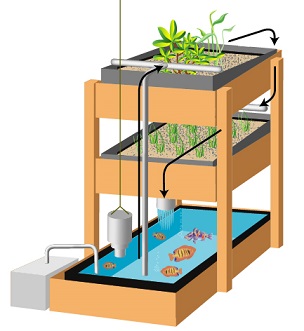
Modern technology and smart management has changed the face of modern farming. Farms no longer need to be tens or hundreds of acres. Depending upon what you grow and how you grow it, some modern farms are less than an acre in size. 

With pressures on availability of land and desire by consumers to buy locally grown and environmentally considerate produce there are lots of advantages to farming in urban areas.


Why this course?

  • ACS courses are written by experienced professionals with real world knowledge and relevant qualifications.
  • Experienced tutors provide insight to industry, plus a full support system for students who want to connect with us.
  • Regularly revised courses meet industry demands and trends. 
  • Study at your own pace online - flexibility to suit you.
  • Become an urban farmer - provide for you, your family and community. 
  • Save money, be released from rising costs of living and enjoy freshest produce.

Enrol with us and start growing today.

Any Questions?

Please click here to contact a tutor Or Request a course handbook here.

Courses can be started anytime from anywhere in the world!

Meet some of our academics

Timothy WalkerB.A.(Botany), RHS.M. Hort., Post.Grad.Dip.Ed. Former Director, Oxford Botanic Gardens.
Melissa LeistraBachelor Education, Masters Human Nutrition
Dr. Lynette MorganBroad expertise in horticulture and crop production. She travels widely as a partner in Suntec Horticultural Consultants, and has clients in central America, the USA, Caribbean, South East Asia, the Middle East, Australia and New Zealand.


Check out our eBooks

Profitable FarmingDiscover new ways to make money from your farm and broaden your perspective on the farming industry. A few things in life are certain; change is inevitable and people need to eat. Learn to embrace change as an opportunity and improve your ability to forge a sustainable career in farming.
Starting a Nursery or Herb FarmIt's often amazing how much can be produced, and the profit that can be made from a few hundred square meters of land. To work efficiently and profitably, a nursery or herb farm must be both well organised and properly managed. As with any business, it is essential to be confident enough to make firm decisions as and when needed. This e-book is your ticket to a fragrant future.
Vertical Gardening and FarmingA practical and inspiring source of reference needed by anyone considering growing plants vertically, whether for food or amenity. Vertical gardens are increasingly important in our modern world, particularly in any places where space is at a premium. Growing this way allows us to fit many more plants into every square metre of land. It allows food to be produced in cities and urban areas, and it increases the biomass able to be established within built up areas.
What to Plant WhereA great guide for choosing the right plant for a particular position in the garden. Thirteen chapters cover: plant selection, establishment, problems, and plants for wet areas. Shade, hedges and screens, dry gardens, coastal areas, small gardens, trees and shrubs, lawns and garden art.